
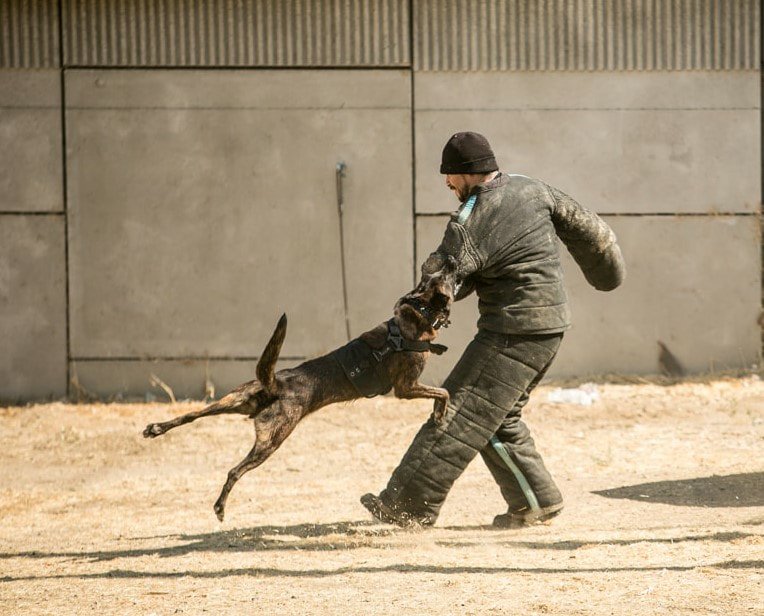
If you’re considering basic obedience dog training for your furry friend, you’ve come to the right place. At Rob’s Dog Training, we understand that building a strong, respectful relationship with your dog is the foundation of a happy home. Training isn’t just about teaching commands, it’s about creating trust, communication, and a lifelong bond.
Whether your dog is a playful puppy or an adult, learning basic obedience skills is essential for safety, social interactions, and overall happiness. This guide is designed to walk you through effective strategies and practical tips to help you succeed in your training journey.
Understanding Basic Obedience Training
Basic obedience training refers to teaching your dog foundational commands and manners that make daily life easier and safer. This typically includes instructions like sit, stay, come, down, leave it, and walking politely on a leash. While these may seem simple, consistency, patience, and positive reinforcement are key to ensuring your dog understands and follows them reliably.
The primary goal of obedience training isn’t just compliance, it’s helping your dog understand what is expected, building confidence, and strengthening the bond between you. Dogs are social creatures, and clear communication allows them to thrive in a home environment.
Why Basic Obedience Matters
Investing time in obedience training pays off in numerous ways. Some of the main benefits include:
- Safety: A well-trained dog is easier to control in unexpected situations. Commands like “come” or “stay” can prevent accidents near roads, other animals, or potentially dangerous environments.
- Behavior Management: Many common behavioral issues, such as jumping, chewing, or barking excessively, can be reduced with proper training. Your dog learns acceptable ways to express energy and curiosity.
- Socialization: Training helps your dog interact appropriately with people and other animals, creating positive experiences outside your home.
- Mental Stimulation: Teaching and practicing commands challenges your dog mentally, keeping them engaged and reducing boredom-related behaviors.
- Strengthened Bond: Working together on obedience commands fosters mutual respect and a sense of teamwork, making your relationship with your dog stronger.
Preparing for Training
Before starting basic obedience dog training, there are a few things to consider:
1. Choose the Right Environment
Start in a quiet, low-distraction area where your dog can focus on learning. Once your dog masters a command in a calm space, gradually introduce more distractions to build reliability.
2. Gather Training Supplies
Positive reinforcement works best, so have a variety of small treats your dog enjoys, a clicker if desired, and a sturdy leash. Consistency is key, so having these tools ready will make training smoother.
3. Set Realistic Expectations
Every dog learns at their own pace. Some may pick up commands quickly, while others need more repetition. Celebrate small successes and remain patient, progress over perfection matters most.
Core Commands to Teach
Focusing on a few essential commands at a time is the most effective approach. Here are some foundational skills:
1. Sit
Teaching your dog to sit is often the first command introduced. Start by holding a treat above their nose, moving it slowly toward their back. As their bottom touches the ground, reward them immediately. Practice this frequently, keeping sessions short and positive.
2. Stay
Once your dog can sit reliably, teaching “stay” helps with control and safety. Begin by having your dog sit, then step back slowly while giving the verbal cue. Gradually increase distance and duration, always returning to reward calm behavior.
3. Come
The recall command is critical for safety. Use a cheerful tone and call your dog while showing a treat or favorite toy. Reward them generously for coming, reinforcing the idea that returning to you is a positive experience.
4. Down
“Down” helps your dog remain calm and manageable. Gently guide them to the floor from a sit position using a treat as an incentive. Avoid forcing your dog into position, as patience encourages willingness to learn.
5. Leave It
Teaching “leave it” prevents unwanted behaviors like grabbing dangerous objects. Start by showing a treat in your hand and closing your fist when your dog tries to take it. Reward them when they refrain and look to you for guidance.
6. Walking on Leash
Walking politely on a leash ensures enjoyable walks for both you and your dog. Use a well-fitted harness or collar and reward your dog for staying close without pulling. Stop walking if pulling occurs, encouraging them to match your pace for rewards.
Tips for Successful Training
1. Consistency is Key
Using the same commands, gestures, and rewards each time helps your dog understand what is expected. Mixed signals can confuse them and slow progress.
2. Short, Frequent Sessions
Dogs learn best in short bursts of 5–10 minutes, multiple times a day. Longer sessions can lead to frustration or fatigue, reducing effectiveness.
3. Positive Reinforcement
Reward desired behaviors rather than punishing mistakes. Treats, praise, or playtime reinforce learning while maintaining your dog’s enthusiasm.
4. Patience and Observation
Pay attention to your dog’s body language. Signs of stress or confusion mean it’s time to pause or adjust your approach. Training is a learning process for both of you.
5. Practice in Different Settings
Generalizing commands across environments ensures your dog responds consistently, whether at home, in the park, or around other animals.
Common Challenges and Solutions
Even with dedication, training may encounter obstacles. Here are a few common challenges:
- Distraction Issues: Start in quiet environments and gradually add distractions. Short sessions in multiple settings help.
- Slow Learners: Adjust your pace and break commands into smaller steps. Celebrate tiny successes.
- Inconsistent Responses: Make sure all family members use the same cues and methods to prevent confusion.
- Overexcitement or Anxiety: Focus on calming exercises and shorter sessions until your dog can focus reliably.
Remember, challenges are natural and provide opportunities to strengthen communication and patience.
Incorporating Training Into Daily Life
Obedience doesn’t need to be limited to formal sessions. Everyday routines provide perfect learning opportunities:
- Ask your dog to sit before meals or treats.
- Use “come” when calling them to join you.
- Practice “leave it” during walks when encountering distractions.
- Reward calm behavior during greetings with guests.
By integrating training into daily life, commands become second nature, making your dog more reliable and confident in various situations.
Seeking Professional Guidance
While many owners can train their dogs at home successfully, professional guidance can accelerate progress and address specific challenges. Rob’s Dog Training offers personalized programs tailored to your dog’s needs, combining experience and proven techniques to ensure positive outcomes. Working with professionals can help you avoid common pitfalls and strengthen the bond with your pet.
Conclusion
Basic obedience dog training lays the foundation for a happy, safe, and well-adjusted dog. From essential commands like sit and stay to daily reinforcement and socialization, every step contributes to a stronger, respectful relationship with your furry companion.
At Rob’s Dog Training (https://robsdogs.com/), we are committed to helping you and your dog succeed in training with patience, consistency, and positivity. Starting with these foundational skills ensures your dog can enjoy life safely, confidently, and happily by your side. Whether you’re just beginning or refining skills, basic obedience training is a rewarding journey for both you and your dog.